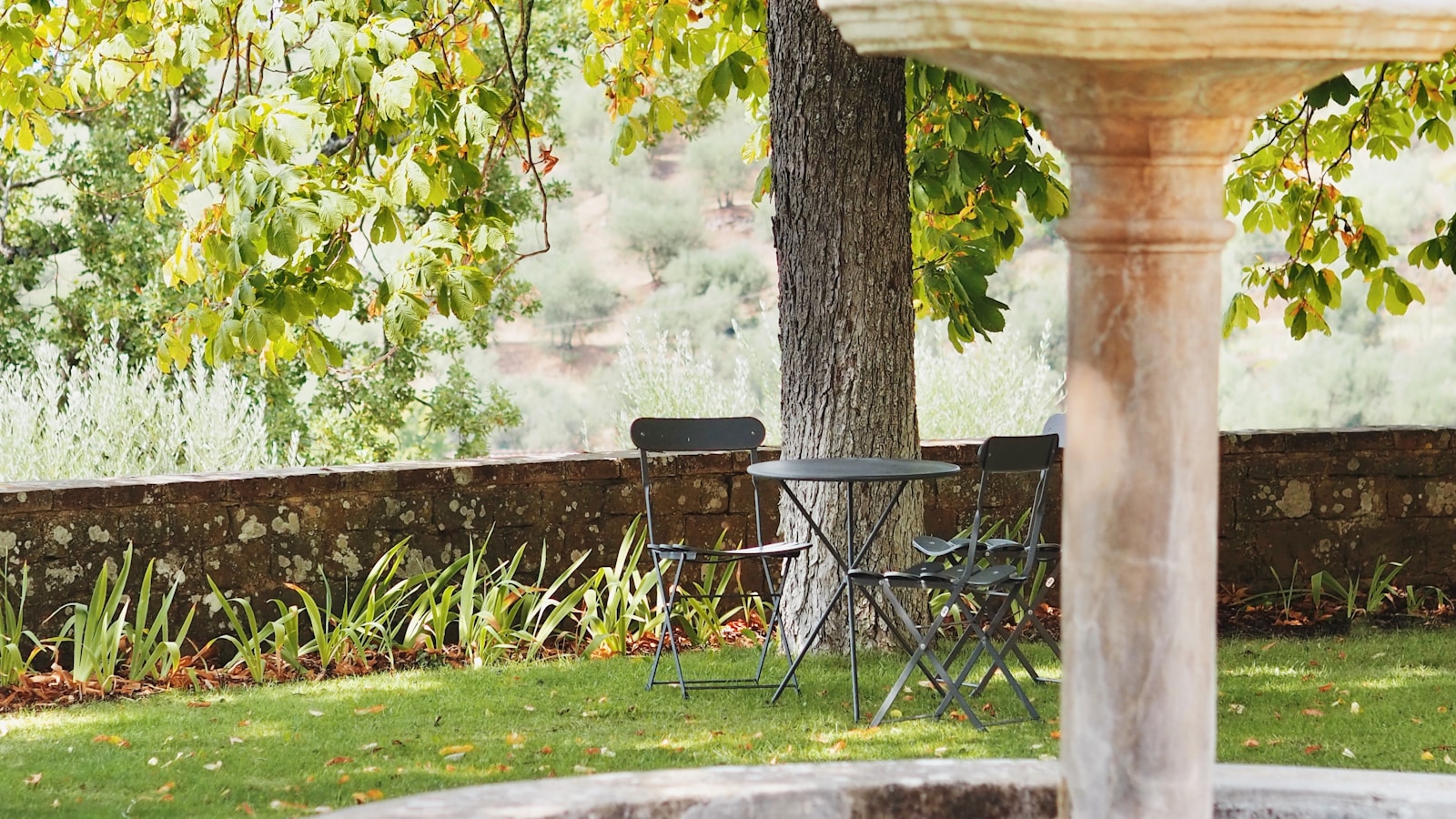
Adding a water feature to your yard changes how you use the space. Running water masks road noise, attracts songbirds, and gives the eye a natural focal point. In Minnesota, the trick is choosing a design that handles our freeze-thaw cycles and still looks good in July. This guide covers every type of residential water feature, realistic installation costs, winterization requirements, and how to decide between doing the work yourself or hiring a hardscaping contractor.
Types of Water Features That Work in Minnesota
Not every water feature survives a Minnesota winter without damage. The options below are all proven performers in USDA Zone 4b, which covers Minneapolis, Edina, Maple Grove, and the rest of the Twin Cities metro.
Pondless Waterfalls
Water cascades over stacked natural stone into a buried basin filled with gravel and a recirculating pump. There is no open water to worry about — which makes pondless waterfalls the safest option for families with small children or pets. The underground reservoir also means less algae growth and fewer mosquito concerns than an open pond.
A typical pondless waterfall in the Twin Cities uses 3–5 tons of weathered limestone or granite boulders, a 3,000–5,000 GPH pump, and a buried 50-gallon basin. Expect the finished footprint to be roughly 6×10 feet for a mid-sized installation. If you are also building a stone patio nearby, the contractor can coordinate excavation and drainage for both projects at once — which usually saves 10–15% on combined labor.
Natural Stone Fountains
A single drilled boulder with water bubbling from the top is one of the simplest, most durable water features you can install. The stone itself is the visual element, and the plumbing is entirely hidden beneath a gravel pad. Minnesota fieldstone, Fond du Lac limestone, and Lake Superior basalt are all popular choices because they handle frost without cracking.
Stone fountains are especially effective next to walkways or at the entrance to a front yard, where visitors hear the water before they see it. Because the basin is small, winterization is straightforward: drain the pump, disconnect the line, and cover the stone with a tarp if desired.
Koi Ponds
A koi pond is a full aquatic ecosystem — filtration system, skimmer, bottom drain, and UV clarifier. Installation is more involved than other options: the pond liner needs to be at least 45 mil EPDM rubber, the depth should reach 3 feet to protect fish during winter, and you will need a dedicated electrical circuit for the pump and aerator.
In Minnesota, a koi pond also requires a de-icer or floating heater to maintain an oxygen exchange hole in the ice surface from November through March. Annual maintenance includes spring cleanouts, filter media replacement, and water testing. Despite the upkeep, homeowners who invest in koi ponds consistently report them as their favorite outdoor feature.
Patio Water Features
If you have a smaller outdoor space — or you are adding a feature to an existing paver patio — compact options include wall-mounted spillways, tabletop recirculating fountains, and fire-and-water bowls that combine a gas flame with a small water basin. These features typically plug into a standard outdoor GFCI outlet and need no excavation, which keeps the installation cost low.
How Much Water Feature Installation Costs in the Twin Cities
Every quote depends on the feature type, site access, and material choices. Here are realistic ranges based on projects we have completed across Eden Prairie, Plymouth, and Woodbury:
- Bubbling rock fountain — $1,500–$3,500 installed. Includes stone, pump, basin, gravel, and electrical hookup.
- Pondless waterfall (mid-sized) — $5,000–$12,000. Includes boulders, liner, pump vault, and professional grading.
- Koi pond (8×10 feet, 3 ft deep) — $10,000–$20,000. Includes liner, filtration, skimmer, bottom drain, and plumbing.
- Patio spillway or wall fountain — $800–$2,500 depending on size and materials.
These numbers do not include ongoing maintenance costs. For koi ponds, budget $500–$1,200 per year for spring cleanouts, filter media, and fish food. Simpler features like pondless waterfalls typically cost under $200 per year to operate (electricity + winterization supplies).
Winterization: Protecting Your Water Feature from Minnesota Frost
Any water feature that holds standing water needs winterization before the first hard freeze — typically late October in the Twin Cities. Skipping this step can crack pump housings, split PVC fittings, and heave stone edges.
Winterizing a Pondless Waterfall or Fountain
- Shut off the pump and disconnect the check valve.
- Drain all water from the pump housing, tubing, and basin.
- Remove the pump and store it in a bucket of water indoors (keeps seals from drying out).
- Blow out remaining water in lines with a shop vac or compressed air.
- Cover the feature loosely with landscape fabric to keep out debris.
Winterizing a Koi Pond
- Stop feeding fish when water temperature drops below 50°F.
- Install a floating pond heater and aerator to maintain an oxygen hole in the ice.
- Remove and clean the skimmer basket. Shut off the waterfall pump if freezing will damage exposed plumbing.
- Add cold-water beneficial bacteria to reduce organic buildup under the ice.
If you also have a sprinkler system, your landscaper can winterize both systems in a single visit — saving a trip fee.
DIY vs. Hiring a Professional Installer
A tabletop fountain is a weekend project. Anything involving excavation, electrical wiring, or stone work over 500 pounds is better left to a contractor. Here is why:
- Pump sizing — An undersized pump delivers a weak trickle; an oversized pump wastes electricity and splashes water out of the basin. A pro calculates head pressure, flow rate, and tubing diameter before ordering equipment.
- Electrical code — Minnesota requires GFCI-protected circuits for outdoor water features. Incorrect wiring is a shock hazard and a code violation that can delay a future home sale.
- Structural stability — Stacking 3+ tons of boulders on uncompacted soil leads to settling and shifting. Professional hardscaping crews prepare a compacted gravel base, just like they would for a retaining wall.
- Warranty — A professional installation typically includes a 2–5 year workmanship warranty covering leaks, pump failure, and stone movement.
How a Water Feature Fits into a Larger Landscape Plan
Most homeowners who add a water feature are also thinking about the space around it. A pondless waterfall looks best surrounded by native plantings — ferns, hostas, astilbe — that a landscape designer can select for shade tolerance and year-round interest. A stone fountain at the edge of a patio pairs well with low-voltage landscape lighting that highlights the water movement after dark.
If you are starting from scratch, it is often more cost-effective to include the water feature in a full landscape design rather than adding it later. The designer can plan grading, drainage, and electrical runs from the start, and the construction crew can handle excavation for the feature alongside walkway or patio prep.
For seasonal upkeep around the feature — mulching beds, trimming ornamental grasses, clearing fall leaves — a seasonal cleanup program keeps the area looking sharp without any effort on your part.
Next Steps: Planning Your Water Feature Project
Start by deciding which type of feature fits your space and budget. Walk your yard and note the spot where you spend the most time — that is usually the best location because you will actually enjoy the water sound daily. Check your electrical panel: do you have an available 20-amp circuit for an outdoor GFCI outlet, or will you need an electrician?
When you are ready for a professional opinion, request a free on-site consultation. We will walk your property, discuss the options above in person, and deliver a written quote within 48 hours. Triple Landscaping has installed water features across Minnetonka, Wayzata, Eden Prairie, and 42 other Twin Cities communities.
Related Reading
- Hiring Yard Designers: What to Expect and How to Choose the Right One — a step-by-step breakdown of the landscape design process from first consultation to final installation.
- Yard Services 101 for Minnesota Homeowners — covers seasonal maintenance tasks including the spring and fall cleanup work that keeps water features looking their best.